Garbage Disposal Maintenance Tips: Prevent Odors, Clogs & Costly Repairs
Regular garbage disposal maintenance can help prevent unpleasant odors, reduce the risk of clogs, and extend the life of your disposal. Proper cleaning and operation are essential to keeping your kitchen plumbing and disposal system working efficiently. Science Appliance proudly provides garbage disposal repair and maintenance services throughout Lubbock and the South Plains.
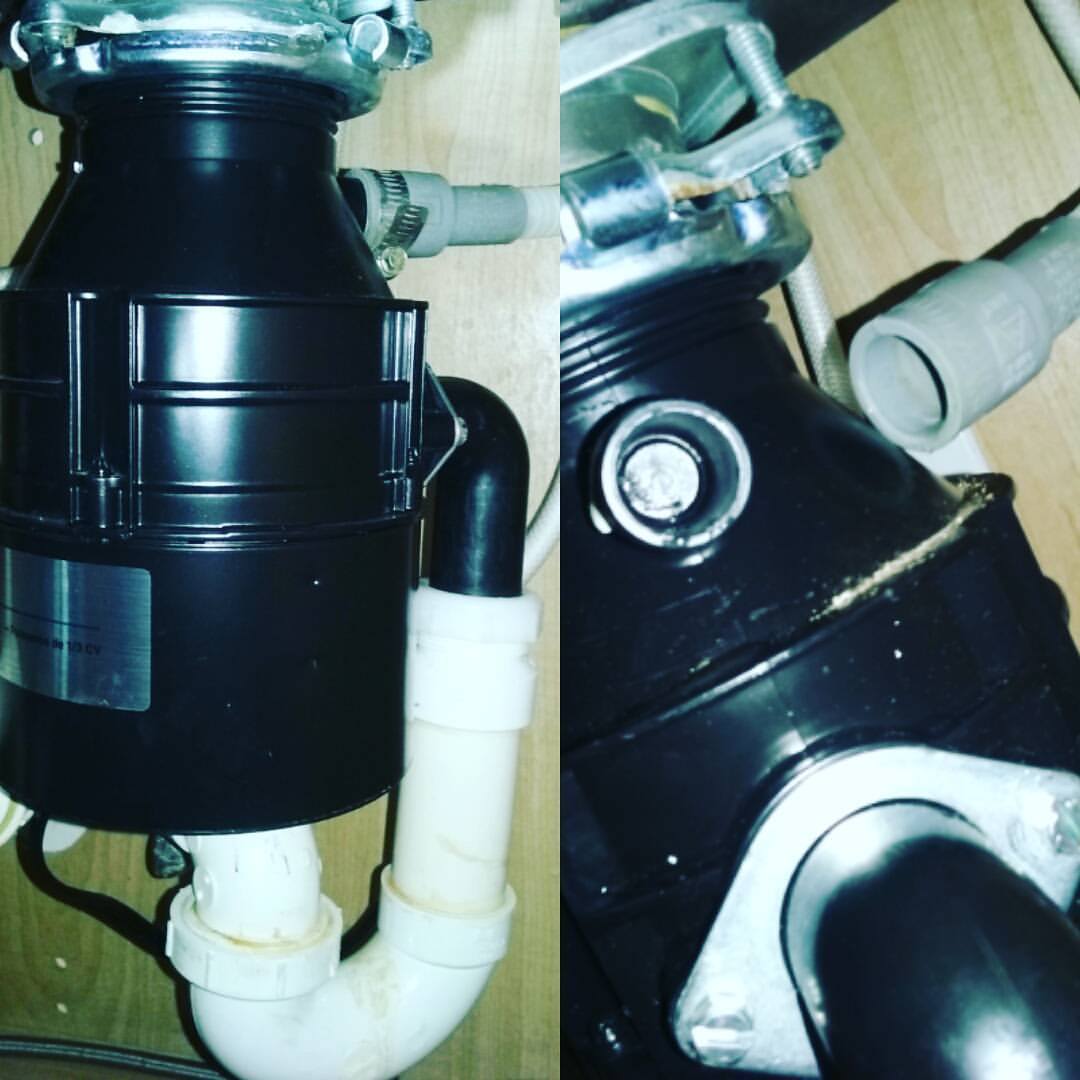
How to Clean a Garbage Disposal
Cleaning your garbage disposal regularly helps prevent odors and removes food particles that can accumulate inside the grinding chamber.
We recommend cleaning your garbage disposal every few weeks.
Garbage Disposal Cleaning Tips
Grind a handful of ice cubes while running cold water to help remove food residue and clean the grinding components.
After cleaning, add lemon, lime, or other citrus peels to help freshen the disposal and reduce odors.
Continue running cold water for several seconds after cleaning to flush debris through the drain system.
Regular cleaning can help keep your garbage disposal smelling fresh and operating efficiently.
Hard Water & Garbage Disposal Maintenance in Lubbock
Lubbock and many surrounding South Plains communities have hard water, which can contribute to mineral buildup inside kitchen drains, sink components, and garbage disposals over time. While hard water typically won't damage a disposal, mineral deposits combined with food residue can contribute to unpleasant odors and buildup.
Regular disposal cleaning and proper operation can help minimize buildup and keep your disposal running smoothly.
What Should Not Go Down a Garbage Disposal?
What you put into your disposal has a significant impact on its performance and lifespan.
To help prevent clogs and plumbing issues, avoid placing the following items in your garbage disposal:
Pasta
Rice
Oatmeal
Grease
Cooking oils
Coffee grounds
Eggshells
Fibrous vegetables such as celery, corn husks, and onion skins
Many of these materials can expand, harden, or accumulate inside drain pipes, leading to blockages and costly repairs.
Proper Garbage Disposal Operation
Using your garbage disposal correctly can help prevent jams, overheating, and drainage problems.
Best Practices for Operating a Garbage Disposal
Run cold water before turning on the disposal.
Feed food waste gradually instead of all at once.
Continue running the disposal until grinding is complete.
Once the waste has cleared the drain, continue running both the disposal and cold water for at least 30 seconds.
Always use cold water rather than hot water.
Cold water helps solidify fats and grease so they can be chopped into smaller particles and flushed away more effectively. Hot water can melt fats, allowing them to travel farther down the drain where they may cool, solidify, and create blockages.
Common Signs Your Garbage Disposal Needs Service
Watch for these warning signs:
Persistent odors
Frequent clogs
Slow drainage
Humming but not grinding
Leaking water beneath the sink
Excessive vibration
Disposal repeatedly tripping the reset button
Unusual grinding or metal-on-metal noises
Addressing these issues early can often prevent more expensive repairs.
Frequently Asked Questions
How often should I clean my garbage disposal?
Most homeowners should clean their garbage disposal every few weeks to help prevent odors and food buildup.
Can ice damage a garbage disposal?
No. Grinding small amounts of ice is generally considered a safe way to help clean the disposal and remove residue.
Why does my garbage disposal smell bad?
Food particles, grease buildup, and trapped debris are common causes of disposal odors. Regular cleaning can help prevent unpleasant smells.
Should I use hot or cold water when running my garbage disposal?
Cold water is recommended because it helps carry waste through the drain system and reduces the risk of grease-related clogs.
Can hard water affect my garbage disposal?
While hard water typically does not damage garbage disposals directly, mineral deposits can accumulate in kitchen plumbing and combine with food residue to create odors and buildup. Regular cleaning is especially important for homeowners in Lubbock and the surrounding South Plains area.
Can regular maintenance prevent garbage disposal repairs?
Yes. Routine cleaning and proper operation can help reduce wear, prevent clogs, and identify issues before they become major repairs.
Schedule Garbage Disposal Service in Lubbock & the South Plains
Regular maintenance is one of the easiest ways to extend the life of your garbage disposal and reduce the risk of plumbing and appliance problems.
Our skilled Appliantists can diagnose disposal issues, identify potential problems, and help keep your kitchen operating smoothly.
View our transparent pricing and schedule service today:
https://www.scienceappliance.com/pricing
Need help with a garbage disposal that won't turn on, won't drain, is leaking, or is making unusual noises? Contact Science Appliance for professional garbage disposal repair services throughout Lubbock and the South Plains.
How to Clean a Garbage Disposal
Cleaning your garbage disposal regularly helps prevent odors and removes food particles that can accumulate inside the grinding chamber.
We recommend cleaning your garbage disposal every few weeks.
Garbage Disposal Cleaning Tips
Grind a handful of ice cubes while running cold water to help remove food residue and clean the grinding components.
After cleaning, add lemon, lime, or other citrus peels to help freshen the disposal and reduce odors.
Continue running cold water for several seconds after cleaning to flush debris through the drain system.
Regular cleaning can help keep your garbage disposal smelling fresh and operating efficiently.
Hard Water & Garbage Disposal Maintenance in Lubbock
Lubbock and many surrounding South Plains communities have hard water, which can contribute to mineral buildup inside kitchen drains, sink components, and garbage disposals over time. While hard water typically won't damage a disposal, mineral deposits combined with food residue can contribute to unpleasant odors and buildup.
Regular disposal cleaning and proper operation can help minimize buildup and keep your disposal running smoothly.
What Should Not Go Down a Garbage Disposal?
What you put into your disposal has a significant impact on its performance and lifespan.
To help prevent clogs and plumbing issues, avoid placing the following items in your garbage disposal:
Pasta
Rice
Oatmeal
Grease
Cooking oils
Coffee grounds
Eggshells
Fibrous vegetables such as celery, corn husks, and onion skins
Many of these materials can expand, harden, or accumulate inside drain pipes, leading to blockages and costly repairs.
Proper Garbage Disposal Operation
Using your garbage disposal correctly can help prevent jams, overheating, and drainage problems.
Best Practices for Operating a Garbage Disposal
Run cold water before turning on the disposal.
Feed food waste gradually instead of all at once.
Continue running the disposal until grinding is complete.
Once the waste has cleared the drain, continue running both the disposal and cold water for at least 30 seconds.
Always use cold water rather than hot water.
Cold water helps solidify fats and grease so they can be chopped into smaller particles and flushed away more effectively. Hot water can melt fats, allowing them to travel farther down the drain where they may cool, solidify, and create blockages.
Common Signs Your Garbage Disposal Needs Service
Watch for these warning signs:
Persistent odors
Frequent clogs
Slow drainage
Humming but not grinding
Leaking water beneath the sink
Excessive vibration
Disposal repeatedly tripping the reset button
Unusual grinding or metal-on-metal noises
Addressing these issues early can often prevent more expensive repairs.
Frequently Asked Questions
How often should I clean my garbage disposal?
Most homeowners should clean their garbage disposal every few weeks to help prevent odors and food buildup.
Can ice damage a garbage disposal?
No. Grinding small amounts of ice is generally considered a safe way to help clean the disposal and remove residue.
Why does my garbage disposal smell bad?
Food particles, grease buildup, and trapped debris are common causes of disposal odors. Regular cleaning can help prevent unpleasant smells.
Should I use hot or cold water when running my garbage disposal?
Cold water is recommended because it helps carry waste through the drain system and reduces the risk of grease-related clogs.
Can hard water affect my garbage disposal?
While hard water typically does not damage garbage disposals directly, mineral deposits can accumulate in kitchen plumbing and combine with food residue to create odors and buildup. Regular cleaning is especially important for homeowners in Lubbock and the surrounding South Plains area.
Can regular maintenance prevent garbage disposal repairs?
Yes. Routine cleaning and proper operation can help reduce wear, prevent clogs, and identify issues before they become major repairs.
Schedule Garbage Disposal Service in Lubbock & the South Plains
Regular maintenance is one of the easiest ways to extend the life of your garbage disposal and reduce the risk of plumbing and appliance problems.
Our skilled Appliantists can diagnose disposal issues, identify potential problems, and help keep your kitchen operating smoothly.
View our transparent pricing and schedule service today:
https://www.scienceappliance.com/pricing
Need help with a garbage disposal that won't turn on, won't drain, is leaking, or is making unusual noises? Contact Science Appliance for professional garbage disposal repair services throughout Lubbock and the South Plains.
Is your garbage disposal leaking? Or won't turn on at all? Call us today for service!
Other Projects
More Maintenance Tips
Schedule Appliance Service
Need appliance repair?
The fastest way to request service is through our online scheduler.
Request your preferred appointment date and time in just a few minutes. We'll review your request and contact you to confirm your appointment.
Need Something Else?
Have a question?
Interested in our monthly newsletter?
Looking for employment?
Property manager or warranty company?
Fill out the contact form below, and we'll get back to you as soon as possible.
Schedule Appliance Service
Need appliance repair?
The fastest way to request service is through our online scheduler.
Request your preferred appointment date and time in just a few minutes. We'll review your request and contact you to confirm your appointment.
Need Something Else?
Have a question?
Interested in our monthly newsletter?
Looking for employment?
Property manager or warranty company?
Fill out the contact form below, and we'll get back to you as soon as possible.
Schedule Appliance Service
Need appliance repair?
The fastest way to request service is through our online scheduler.
Request your preferred appointment date and time in just a few minutes. We'll review your request and contact you to confirm your appointment.
Need Something Else?
Have a question?
Interested in our monthly newsletter?
Looking for employment?
Property manager or warranty company?
Fill out the contact form below, and we'll get back to you as soon as possible.